
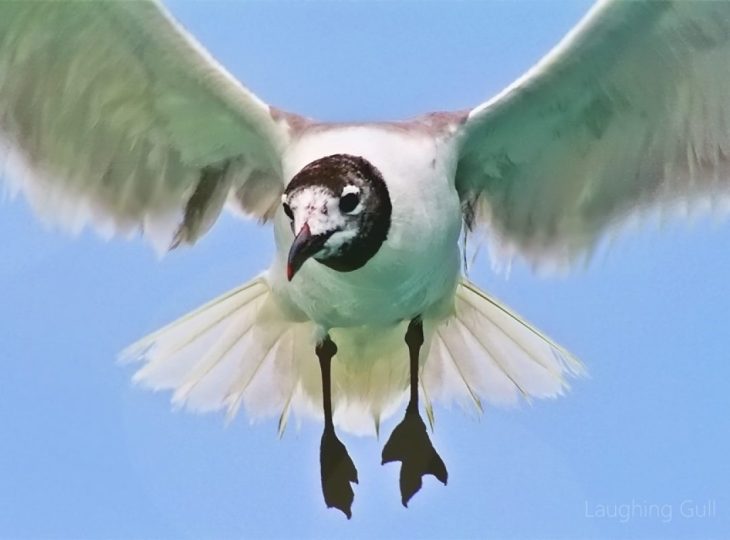
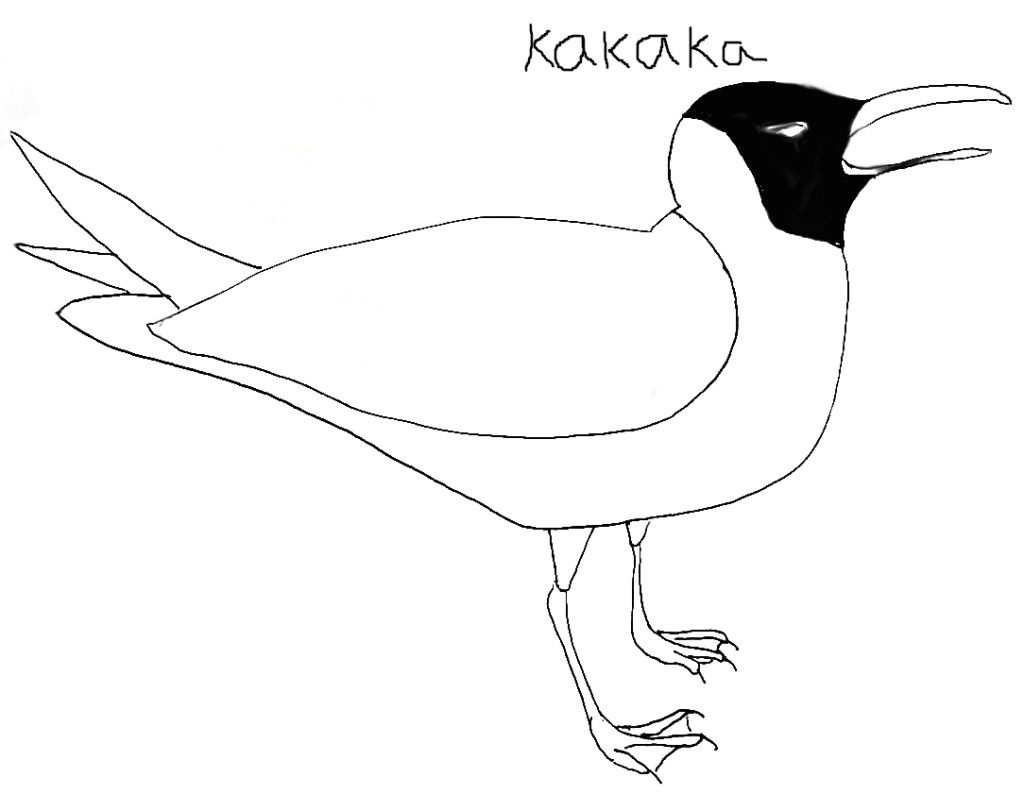
”Ka-ka-ka-ka-ka! ka-ka-ka-ka-ka…” – We had just anchored in Carriacou, a small island north of Grenada, following a lively sail along Grenada’s east coast, when the sound of laughter permeated the atmosphere. I found myself envisioning witches ascending upon their broomsticks.
Nearby, a loud spectacle was occurring; something beneath the water’s surface had captured the attention of a multitude of white feathers. Upon closer examination, the culprits revealed their heads adorned with black velvety hoods, storm-colored wings, and formidable, curved burgundy-speckled beaks. Laughing Gulls, a medium-sized species called Leucophaeus atricilla, are the only gulls that breed in the Lesser Antilles. They are known for their distinct piercing call, which gives them their common name.
Laughing Gulls are gregarious birds, that gather in lively flocks to forage, bother other birds, groom and rest. Among them are pairs that form strong bonds typical of their species. Their courtship is playful; the female asks for food, which the male gives by regurgitating fish, sometimes engaging in a tug-of-war. They usually build their nests in mangrove areas, wetlands, or along coastlines, cleverly hiding their nests in the vegetation.
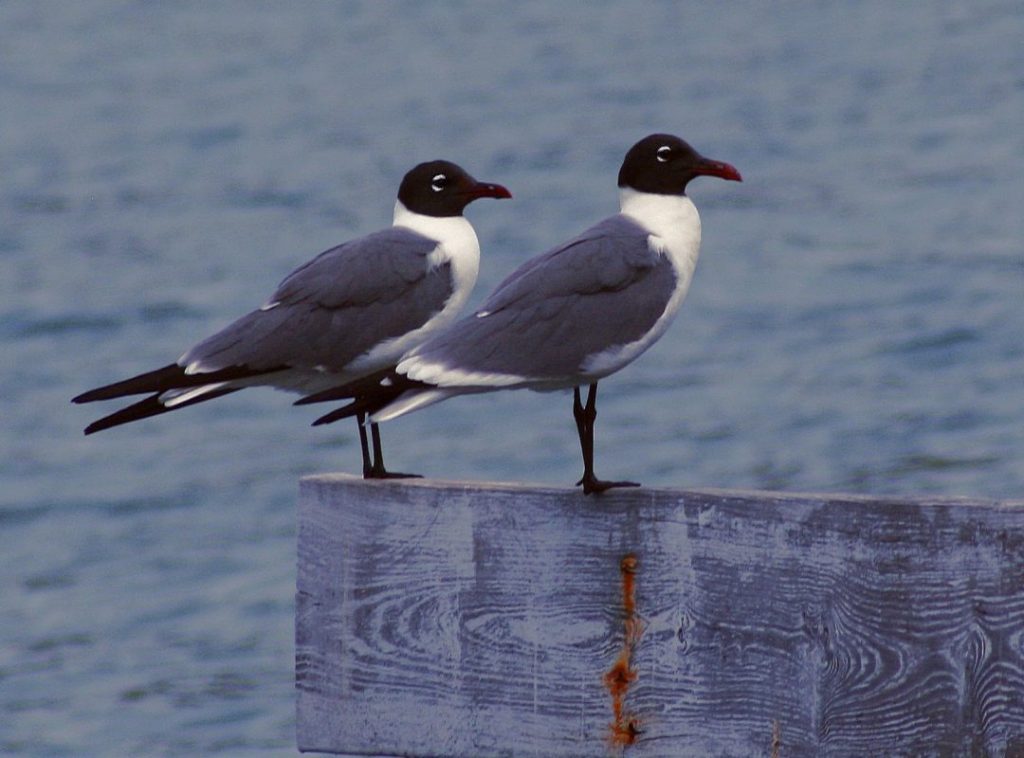
Both sexes have black hoods, but females are smaller. Non-breeding birds have white heads with a faint black mark by the eye. Fledglings, though less polished, are identifiable by their brownish mottled feathers, white underside, and head. After leaving the nest, fledglings avoid adults and stick with other young birds. Since they don’t know how to fish, they often search for food at landfills or other accessible places. Most of their time is spent sleeping – just like how human teenagers spend their time.
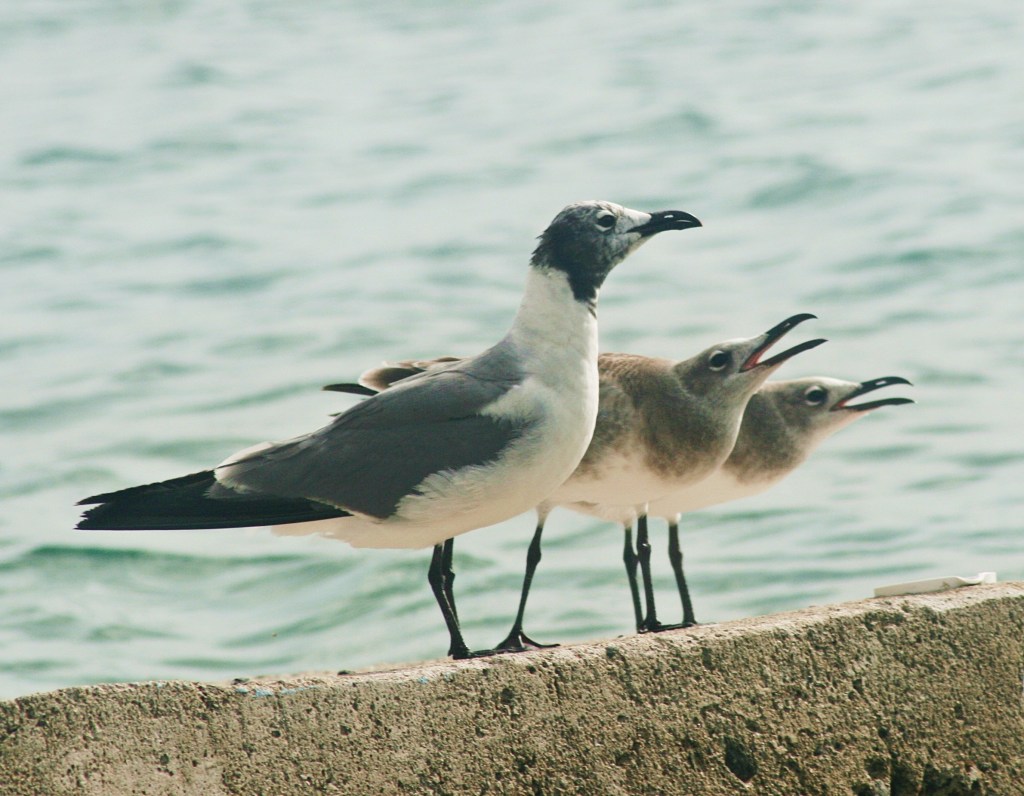
Laughing Gulls are clever scavengers that eat many different things, showing their skill as opportunistic feeders. It was amusing to see them take food from a brown pelican. Sometimes, Magnificent Frigatebirds attempted to steal food from the Laughing Gulls, but they didn’t always succeed. The gulls clearly showed that, even though they are smaller, they are very determined.
Since the 1960s, rubbish dumps have helped increase the population of Laughing Gulls, which declined in the 19th century due to severe egg and feather hunting. They have spread from North America to the West Indies, becoming the most common gull in these areas. Although they thrive in poor environments, Laughing Gulls are still at risk from human activities like oil spills and monofilament fishing lines that they can’t see when underwater, causing them to get tangled and die from starvation. In the Caribbean, their nesting sites are threatened by ongoing coastal development.
But for now, Laughing Gulls dominate the sky with their raucous laughter. With their heads bobbing and wings unfurled, they soar like ethereal witches on unseen broomsticks, their dark eyes twinkling playfully against the backdrop of the heavens.

 BELA'S BIRDS